Burn Rubber with Budzar Industries at ITEC 2018

Most of us drive a car, ride a bicycle, or take a bus to work, but did you ever think about the tires that help get you from Point A to Point B? Have you ever wondered where rubber comes from and how tires are made?

Tires are made of either synthetic or natural rubber.  In the 18th century, natural rubber was discovered in Peru by a French scientist when he came across rubber trees.  Latex, which is a milky fluid, is collected from the bark of rubber trees (similar to how syrup is tapped from maple trees).  The latex is then refined in order to make rubber products.

In the mid-19th century, Charles Goodyear, noting how rubber either melted or hardened depending on the weather, patented a process called vulcanization, which made rubber temperature-resistant.  In the late 19th century, Akron, Ohio was the leader in rubber production.  By 1950, Ohio produced more than one-third of the tires and other rubber products in the country, and five of the six biggest tire companies were located in Akron.

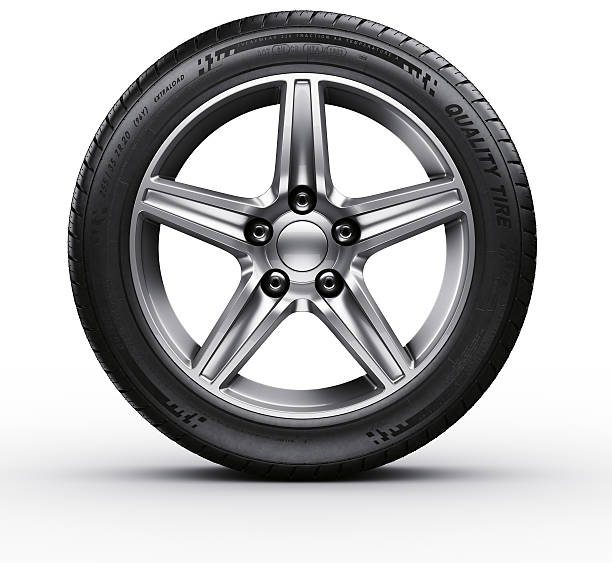
But how are tires made? The majority of tires are molded but they can also be rolled or extruded.  Injection molding is the most common way to mold rubber because it is efficient and cost-effective.  A tire, however, is not solely made of rubber.  Did you know there can be as many as 30 ingredients in a tire? Different ingredients are used depending on the type of tire.  All the ingredients are blended together in giant mixers, creating a sticky black compound.  This material is then cooled and sent to a mill where the rubber is cut into strips.  Next, all the components of the tire are placed into a machine where a basic tire is constructed. Lastly, the tire gets vulcanized and the parts are compressed together, resulting in the final shape and pattern of the tire.

Temperature control is critical when mixing rubber.  It helps decrease waste, increase efficiency, and ensure consistency.  The most commonly used medium for temperature control in the rubber industry is water.  If you’re looking for a mixer temperature control unit, check out our website (http://budzar2019.sixthcitydev.com/mixer-temperature-control-hot-water-unit/).

We also provide mini temp control, multi-zone hot water, high-volume hot water, and stationary hot oil units for the rubber industry.  For more rubber and tire statistics, read the facts below courtesy of https://brandongaille.com/23-tire-and-rubber-industry-statistics-and-trends/ and https://www.thoughtco.com/john-dunlop-charles-goodyear-tires-1991641

And make sure to visit Budzar at ITEC, September 11-13 in Akron, Ohio: https://events.american-tradeshow.com/itec

Vulcanized rubber was invented in 1839 by Charles Goodyear, and it is still considered the modern form of rubber.  Before Goodyear perfected the process of vulcanization, rubber products would change their characteristics based on local weather conditions. If it was hot, then the rubber would become sticky. If it was cold, then the rubber would become brittle.

Although rubber is a natural product, the tire and rubber industry rely on synthetic rubber products as well. The technology to develop synthetic rubber was developed in the United States during World War II as their access to natural rubber supplies was limited due to the conflict. Made from crude oil, there are currently about 20 grades of synthetics available and are used in a variety of products.

In the United States, there are currently 111 businesses that are operating within the tire and rubber industry.

The tire and rubber industry generate about $18 billion in revenues each year, including aircraft and motor vehicle tires, inner tubing, and repair materials.

Approximately 60% of the world’s rubber supply is consumed by the global tire industry. The remainder is used for mulch, rubber bands, boots, and other consumer products.

Global production of natural rubber products accounts for less than half of the world’s total rubber production levels.

In 1903, P.W. Litchfield of the Goodyear Tire Company patented the first tubeless tire, however, it was never commercially exploited until it was used on the 1954 Packard. 

In 1904, mountable rims were introduced that allowed drivers to fix their own flats. In 1908, Frank Seiberling invented grooved tires with improved road traction. 

In 1910, B.F. Goodrich Company invented longer life tires by adding carbon to the rubber. Goodrich also invented the first synthetic rubber tires in 1937 made of a patented substance called Chemigum.
 

Posted in ITEC Manufacturing, Rubber, Uncategorized | Tagged , , , , , , , , , , , | Comments Off on Burn Rubber with Budzar Industries at ITEC 2018

There’s Something in the Water with Budzar Industries

August is National Water Quality Month, and it’s important for us to be aware of how water quality affects the earth.  Studies show that contaminants in water have detrimental effects on humans, animals, and plants.  Some of the contaminants come from the agricultural, mining, gas and oil industries.  Others come from garbage dumps and sewage systems.  As a result, bottled drinking water has increased in popularity.  Did you know that bottled water is the most consumed packaged drink in the U.S.? While it may seem a good thing that drinks like soda have fallen in popularity, the increase in the consumption of bottled water has created new problems, such as the cost (it’s 300 times more expensive than tap water) and environmental concerns about the plastic packaging.  But bottled water has actually been around for a long time.  In the 19th century, it was fashionable to bathe in and drink mineral waters from natural springs.  As glass bottles became mass-produced, bottled water started to be sold in places like pharmacies, touting its health benefits.  By the early 20th century, however, bottled water saw a decline as tap water became popular once cities began providing safe water.  In the 1970s, advertising campaigns ushered in the era of “high-end” bottled water.  The campaigns took advantage of recent health claims that the artificial sweeteners used in diet soda were harmful. Within the next few decades, many companies joined the bottled water market.  Soon soft drink companies shifted their advertising to soda-alternatives such as coffee, tea, sports drinks, and water.  But soon distributors claiming to use natural sources of water came under fire when it was discovered they misled consumers by getting water from local municipalities instead.  But despite the deception of the soft drink companies and environmental concerns regarding the amount of plastic bottles that end up in landfills, the bottled water market continued to grow.  By the 2000s, “enhanced” water had gained in popularity.  Bottled water featuring vitamins, herbs, natural flavors, and low-calorie sweeteners began cropping up in stores.  In addition to bottled water, filtration systems have gained in popularity.  Now it’s safe to drink tap water by using a pitcher with a filter or installing a reverse-osmosis filter on your kitchen faucet.  But some filtration systems, unfortunately, also filter out the healthy minerals in water.  So what contaminants can you find in water, and why do they matter? Lead, mercury, fluoride, copper, herbicides, and pesticides are just some of the potentially harmful items in drinking water.  Although the EPA regulates several chemicals, many are not federally regulated.  Therefore, it’s important that we continue to study the effects of contaminants in our water supply to protect our health and our planet.  For more information about tap water, go to https://www.ewg.org/tapwater/ 

Did you know Budzar Industries has water-treatment options on our Tower Tank Systems? For more information, go to http://budzar2019.sixthcitydev.com/tower-tank-system/

And for more ways you can help avoid water pollution, read the following tips courtesy of http://www.goodspeaks.org/event/august-is-national-water-quality-month

·         Don’t use antibacterial soaps or cleaning products

·         Don’t flush unwanted or out-of-date medications down the toilet or drain

·         Don’t put anything but water down storm drains

·         Fix leaks that drop from cars and put liners in driveways to collect oil and other materials

·         Avoid using pesticides or chemical fertilizers

·         Choose non-toxic household products when possible

·         Pick up after pets

·         Don’t pave properties

Posted in Uncategorized | Tagged , , , | Comments Off on There’s Something in the Water with Budzar Industries

Scoop Up Our Food-Processing Chillers in Honor of National Ice Cream Month

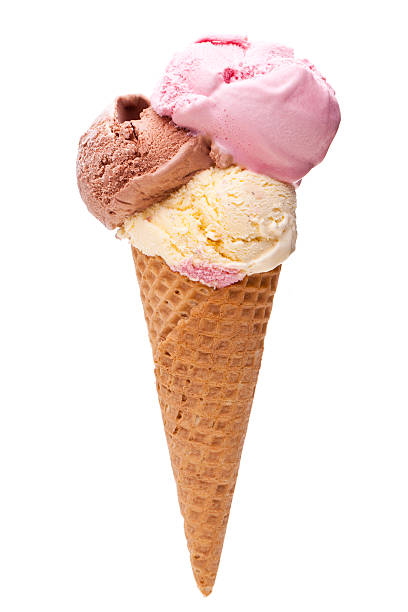
Since the 1980s, July has been designated as National Ice Cream Month.  But Ice cream isn’t just a recent food; in fact, ice cream in its various forms has been around for centuries! During the Roman Empire, leaders often enjoyed snow from the mountains that they flavored with juices.  In Europe during the 16th and 17th centuries, sherbet and ice cream were enjoyed by royalty.  By the 19th century, ice cream soon became commercialized and available to the general public.  President Jefferson even had his own vanilla ice cream recipe! By the late 19th century, soda fountain shops had spread all across America.  In the 20th century, with the advent of home refrigeration, supermarkets soon began selling prepackaged ice cream.  Nowadays, ice cream is made with milk, cream, and sugar which is blended together.  The mixture is then heated (pasteurized) then immediately cooled down.  Next, air is mixed in to give ice cream its creamy texture.  Finally, other ingredients may be added to create different flavors.  The ice cream is then placed in containers and stored in a cold room where it hardens.  Have you ever wondered what the difference is between ice cream, sorbet, sherbet, gelato, frozen custard, and frozen yogurt? Sorbet is made with water and fruit.  Sherbet is sorbet with a little milk added to it.  Gelato contains less milk fat than ice cream and has less air churned into it during freezing.  Frozen custard is made by adding egg yolks to the ice cream base.  Frozen yogurt uses yogurt instead of milk and cream.

If you’re in need of chillers for food-processing, Budzar Industries can design and manufacture custom options.  For more information, visit http://budzar2019.sixthcitydev.com/food-processing-chillers/  and check out the fun facts below, courtesy of https://www.idfa.org/news-views/media-kits/ice-cream/the-history-of-ice-cream/ and https://www.thoughtco.com/history-of-ice-cream-1991770

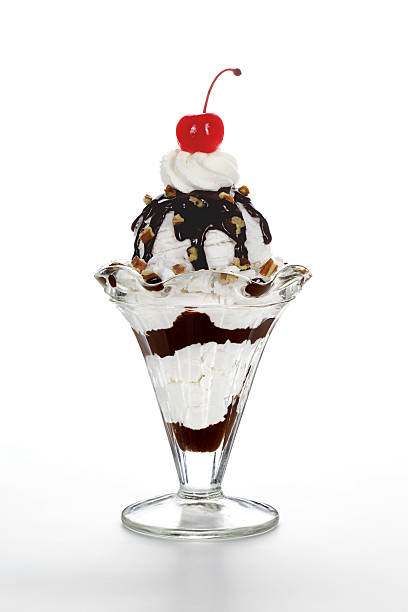
  • In response to religious criticism for eating “sinfully” rich ice cream sodas on Sundays, ice cream merchants left out the carbonated water and invented the ice cream “Sunday” in the late 1890s. The name was eventually changed to “sundae” to remove any connection with the Sabbath.
  • The ice cream industry in the United States contributes more than $39.0 billion to the national economy and creates more than 188,000 jobs in communities across the country.
  • The majority of ice cream and frozen desserts are marketed regionally. More than 66.7 percent of U.S. ice cream and frozen dessert manufacturers say they market their products regionally, with 16 percent marketing nationally. The international market accounts for 10 percent of the market for U.S. companies.
  • Federal regulations state that ice cream must have at least 10 percent milkfat
  • About 1.54 billion gallons of ice cream and related frozen desserts were produced in the U.S. in 2015.
  • The average American consumes more than 23 pounds of ice cream per year.
  • The first ice cream parlor in America opened in New York City in 1776.
  • American colonists were the first to use the term “ice cream”. The name came from the phrase “iced cream” that was similar to “iced tea.” The name was later abbreviated to “ice cream,” the name we know today.
  • Whoever invented the method of using ice mixed with salt to lower and control the temperature of ice cream ingredients during its making provided a major breakthrough in ice cream technology. Also important was the invention of the wooden bucket freezer with rotary paddles, which improved the manufacture of ice cream.
  • In 1851, Jacob Fussell in Baltimore established the first large-scale commercial ice cream plant. Alfred Cralle patented an ice cream mold and scooper used to serve on February 2, 1897.
  • Around 1926, the first commercially successful continuous process freezer for ice cream was invented by Clarence Vogt.
  • The walk-away edible cone made its American debut at the 1904 St. Louis World’s Fair.
  • British chemists discovered a method of doubling the amount of air in ice cream creating soft ice cream.
  • Reuben Mattus invented Haagen-Dazs in 1960. He chose the name because it sounded Danish.
  • In 1920, Harry Burt invented the Good Humor Ice Cream Bar and patented it in 1923.  
Posted in Chillers, food, Uncategorized | Tagged , , , , , | Comments Off on Scoop Up Our Food-Processing Chillers in Honor of National Ice Cream Month

Andrew Gallagher Reflects on Interphex 2018

Interphex is an annual trade show in New York attended by over 11,000 professionals from industries such as pharmaceutical and biotechnology.  Interphex features exhibits, demonstrations, and conferences that demonstrate the latest technologies in the field.  This year, Interphex was held on April 17-19, and Andrew Gallagher was there to highlight Budzar’s products.

What is your position and how long have you worked at Budzar?

I’m a Sales Engineer for the rubber, chemical, and pharmaceutical industries.  I’ve been working here for a little over 4 years.

What are some of the products you displayed at Interphex?

We featured pharmaceutical industry products such as CIP systems, biokill systems, central chillers, and our director series.  We also brought a small propane chiller that we had fabricated for the show.

Are there any new products in development at Budzar?

Due to our custom nature, I’m always finding something at least a little new in many of our applications.  Probably the latest development that the company has taken on in terms of a new field and product line itself would be the natural refrigerant chillers.  Ed George, Jim George, and Justin George are our latest experts in this new development.

For more information on some of the products Andrew mentioned above, visit the following links:

Budzar’s Clean-In-Place systems feature sanitary designs for the cleaning of process equipment: http://budzar2019.sixthcitydev.com/clean-in-place-cip-systems/

Budzar offers decontamination systems custom-built to neutralize pathogenic organisms: http://budzar2019.sixthcitydev.com/bio-waste-decontamination-systems/

Budzar has a variety of chillers from indoor, water-cooled models to outdoor, air-cooled models: http://budzar2019.sixthcitydev.com/central-chiller-units/

Budzar’s Temperature Control Module uses an environmentally-friendly refrigerant for a wide range of heating and cooling applications: http://budzar2019.sixthcitydev.com/director-series-reactor-temperature-control-module/

Budzar has begun to use more natural refrigerants due to the rising demand of efficient, cost-effective refrigerants that won’t deplete the ozone layer: http://budzar2019.sixthcitydev.com/natural-refrigerant-chillers/

At Budzar, we pride ourselves on customizing machines to meet our customer’s specific requirements.  We know there’s no “one size fits all” when it comes to your company’s needs.  With several years of experience, our engineers can design any kind of custom unit.

Posted in Interphex, Pharmaceutical, Uncategorized, Updates | Tagged , , , | Comments Off on Andrew Gallagher Reflects on Interphex 2018

Budzar Implements New Safety Practices: A Q&A with Pete Laborde

In winter 2018, Budzar began a new program to help increase safety standards in the workplace.  I spoke with Pete Laborde, Safety Director of Budzar Industries, to gain insight into the importance of a safety program.

What is the importance of a safety program and how does it benefit the company and employees? The importance of a safety program in the workplace is paramount; the benefits are very rewarding and beneficial to both the company and employees. For the company, it reduces insurance costs, medical claims, and business disruptions while increasing profitability and retention of employees.  It protects Budzar’s most valued asset: its employees. For employees, they see Budzar cares and takes a vested interest in their personal safety, thus creating happier employees, who want to come to work and strive to set the bar high.

 What kind of classes, procedures, etc. have been done for Budzar’s program so far? Budzar has taken a proactive approach to safety. I’ve revised and created new procedures, such as a respirator procedure, a lockout tagout procedure and crane inspection procedures.  I’ve implemented safety-toed footwear and safety glasses in the shop at all times and provided classroom training.

If other companies want to start a safety program for their own workplace, how would you recommend they get started? Go to the OSHA website, there’s lots of great information, including regulations which all employers must adhere to.

Are there any websites that are good resources for safety standards and programs? www.OSHA.gov, www.kelleronline.com, www.advanceonline.com

Do you have any further advice? All accidents are preventable. Together we can create a safety culture that is second to none.

Posted in Safety, Uncategorized, Updates | Comments Off on Budzar Implements New Safety Practices: A Q&A with Pete Laborde