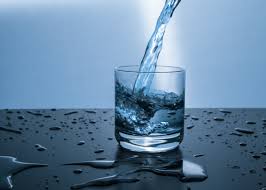
August is National Water Quality Month, and it’s important for us to be aware of how water quality affects the earth. Studies show that contaminants in water have detrimental effects on humans, animals, and plants. Some of the contaminants come from the agricultural, mining, gas and oil industries. Others come from garbage dumps and sewage systems. As a result, bottled drinking water has increased in popularity. Did you know that bottled water is the most consumed packaged drink in the U.S.? While it may seem a good thing that drinks like soda have fallen in popularity, the increase in the consumption of bottled water has created new problems, such as the cost (it’s 300 times more expensive than tap water) and environmental concerns about the plastic packaging. But bottled water has actually been around for a long time. In the 19th century, it was fashionable to bathe in and drink mineral waters from natural springs. As glass bottles became mass-produced, bottled water started to be sold in places like pharmacies, touting its health benefits. By the early 20th century, however, bottled water saw a decline as tap water became popular once cities began providing safe water. In the 1970s, advertising campaigns ushered in the era of “high-end” bottled water. The campaigns took advantage of recent health claims that the artificial sweeteners used in diet soda were harmful. Within the next few decades, many companies joined the bottled water market. Soon soft drink companies shifted their advertising to soda-alternatives such as coffee, tea, sports drinks, and water. But soon distributors claiming to use natural sources of water came under fire when it was discovered they misled consumers by getting water from local municipalities instead. But despite the deception of the soft drink companies and environmental concerns regarding the amount of plastic bottles that end up in landfills, the bottled water market continued to grow. By the 2000s, “enhanced” water had gained in popularity. Bottled water featuring vitamins, herbs, natural flavors, and low-calorie sweeteners began cropping up in stores. In addition to bottled water, filtration systems have gained in popularity. Now it’s safe to drink tap water by using a pitcher with a filter or installing a reverse-osmosis filter on your kitchen faucet. But some filtration systems, unfortunately, also filter out the healthy minerals in water. So what contaminants can you find in water, and why do they matter? Lead, mercury, fluoride, copper, herbicides, and pesticides are just some of the potentially harmful items in drinking water. Although the EPA regulates several chemicals, many are not federally regulated. Therefore, it’s important that we continue to study the effects of contaminants in our water supply to protect our health and our planet. For more information about tap water, go to https://www.ewg.org/tapwater/
Did you know Budzar Industries has water-treatment options on our Tower Tank Systems? For more information, go to http://budzar2019.sixthcitydev.com/tower-tank-system/
And for more ways you can help avoid water pollution, read the following tips courtesy of http://www.goodspeaks.org/event/august-is-national-water-quality-month
· Don’t use antibacterial soaps or cleaning products
· Don’t flush unwanted or out-of-date medications down the toilet or drain
· Don’t put anything but water down storm drains
· Fix leaks that drop from cars and put liners in driveways to collect oil and other materials
· Avoid using pesticides or chemical fertilizers
· Choose non-toxic household products when possible
· Pick up after pets
· Don’t pave properties